
Stop Your Child’s Nearsightedness From Getting Worse
Progressive myopia isn’t just blurry vision—it’s a condition that can increase the risk of serious eye problems later in life. Early treatment can slow or even stop progression. Progressive myopia occurs when a child’s eye continues to grow too long, causing worsening nearsightedness over time.
Progressive myopia is a significant and prevalent eye disease that is approaching epidemic proportions among children and young adults. Myopia, often referred to as “near-sighted” or “short-sighted,” means light in the myopic eye focuses in front of, instead of on, the retina. Progressive myopia can be understood as the disconnect between ocular power and the elongation (growth) of the eye over time.
What Causes Myopia to Worsen?
Progressive myopia is influenced by a combination of lifestyle and genetic factors. Understanding these can help parents take early action.
Increased Screen Time
Extended near work like tablets, phones, and reading can signal the eye to grow longer over time.
Limited Outdoor Time
Spending less time outside has been strongly linked to faster myopia progression in children.
Family History
If one or both parents are nearsighted, a child is at higher risk of developing progressive myopia.
Why This Matters
The earlier a child develops myopia, the more likely it is to progress to higher prescriptions over time.
While glasses can correct blurry vision, higher levels of myopia increase the risk of serious eye conditions later in life, including:
- Retinal detachment
- Myopic macular degeneration
- Glaucoma
Myopia management focuses on slowing this progression early to protect long-term eye health.
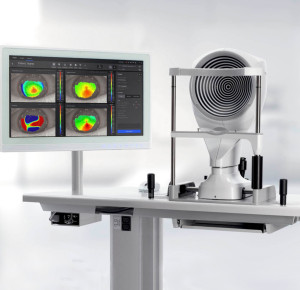
SIGNS FOR PARENTS TO LOOK FOR
- Does your child need to squint or partially close the eyelids to see clearly?
- Is your child’s performance in school dropping?
- If your child sits at the front of the classroom or moves very close to the screen, they may have myopia.
The good news is that research studies have found ways to slow the progression of myopia in children.
HOW WE TREAT PROGRESSIVE MYOPIA
Progressive myopia isn’t just about needing stronger glasses; it’s a condition caused by the eye growing too long over time, which increases the risk of serious eye problems in later life. Simply correcting vision with standard glasses doesn’t slow this progression. That’s why at Eye Department we offer a range of evidence‑based myopia management treatments that not only correct vision but also help slow down the progression of nearsightedness, preserving eye health and reducing long‑term risks
Specialty Soft Contact Lenses
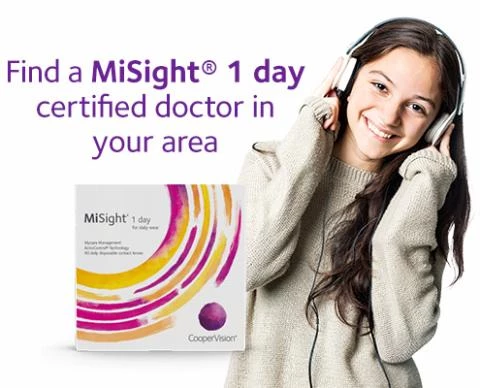
Myopia management contact lenses are specially designed to change how light focuses on the retina, signaling the eye to slow excessive growth. Unlike standard contacts, they not only correct blurry vision but also slow myopia progression.
Key benefits include:
- Clear, stable vision all day without glasses limitations
- Proven to slow myopia progression and support long-term eye health
- Freedom for sports and activities without frames
- Improved confidence at school
- Noninvasive, evidence-based treatment
- Safe and comfortable when properly fitted and monitored
Myopia Management Eyeglass Lenses
At Eye Department, we offer advanced myopia management eyeglass lenses designed to go beyond standard vision correction. These lenses are specifically crafted to help slow the progression of your child’s nearsightedness while providing clear, comfortable vision for everyday life.
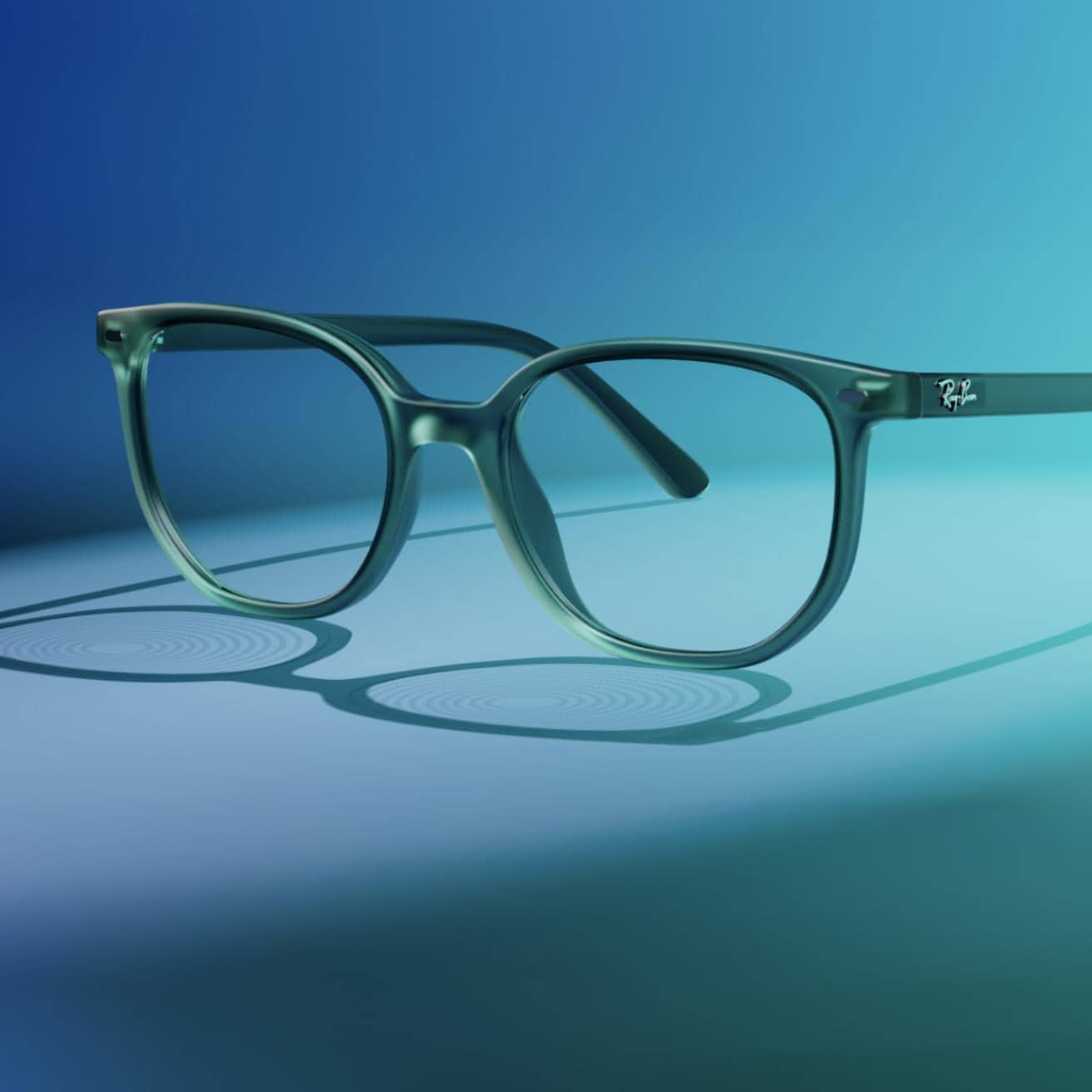
Unlike traditional glasses that only correct vision, advanced myopia management glasses use specialized lens designs to help reduce eye growth (axial elongation) — one of the key drivers of worsening nearsightedness.
How These Lenses Work
- Instead of simply correcting blurry distance vision, they use thousands of tiny, invisible lenslets that help direct light in a way that signals the eye to slow its growth.
- This change in how light is focused can help reduce how quickly the prescription increases over time, which may lower your child’s lifetime risk of high myopia.
Benefits of Myopia Control Glasses
- Clear, comfortable vision for daily use
- Non‑invasive and easy for kids to wear
- Clinically designed to help slow myopia progression
- Can reduce long-term eye health risks associated with high myopia (e.g., retinal issues, glaucoma, macular degeneration)
These lenses are ideal for children who may not yet be ready for contact lenses or parents who want an effective, non-contact myopia management option. Precise lens measurements and expert frame fitting are essential for maximum effectiveness and comfort, and our team uses advanced digital tools to ensure each lens is custom-tailored to your child’s eyes.
Early intervention matters — if your child’s prescription is frequently changing or you’re concerned about their long-term eye health, scheduling a comprehensive myopia evaluation can help determine whether advanced glasses like Essilor® Stellest™ are right for your child.
Low‑Dose Atropine Eye Drops for Myopia Management

Low‑dose atropine eye drops are an evidence‑based treatment to help slow the progression of nearsightedness (myopia) in children. Used nightly, these drops reduce signals that drive excessive eye growth (axial elongation), the main cause of worsening myopia.
Studies show that low-dose atropine (0.05%) significantly slows myopia progression with minimal side effects. While atropine does not correct existing blurred vision, it can meaningfully reduce how quickly your child’s prescription worsens.
This early intervention can lower the risk of high myopia and long-term eye complications. Regular eye exams ensure the drops are tailored to your child’s needs for maximum effectiveness.
Low‑dose atropine eye drops are an evidence‑based method to help slow the progression of nearsightedness in children. Used nightly, they reduce signals that drive excessive eye growth (axial elongation), which is the main cause of worsening myopia.
Although atropine does not correct vision on its own, it is highly effective in combination with glasses, contact lenses, or other myopia management strategies.

Slows Myopia Progression
Reduces the rate of prescription changes and excessive eye growth in children.

Protects Long-Term Eye Health
Helps lower the risk of complications from high myopia, like retinal problems and glaucoma.

Easy Nightly Use
Administered once each night, making it convenient for families.

Evidence-Based
Supported by clinical research as a safe and effective myopia management tool.

Child-Friendly
Well-tolerated with minimal side effects in most children.
Monitoring & Follow-Up
Children in the Eye Department myopia management treatment plans are monitored at regular follow-up appointments, typically scheduled at the 3, 6 and 12 month mark or more frequently at the 2, 4, 6 and 10 month mark. Each child’s treatment plan is designed specifically for them. Adjustments to lenses and/or doses are made based on compliance, eye growth and prescription changes.
Early intervention is key; slowing myopia progression during childhood helps protect vision for life.
Specialty contact lenses and low-dose atropine drops help move the focal point of peripheral light in front of the retina, slowing myopia progression. While atropine does not correct existing blurred vision, it can delay or lessen severity.
Progressive Myopia Risk Factors
- Genetic
- Environmental
- Education & Near Work
- Time Outdoors & Light Exposure
When Is Myopia More Serious?
While most childhood myopia develops gradually, some children may be at higher risk for rapid progression or underlying eye health concerns.
Family History
Children with one or both parents who are nearsighted are more likely to develop progressive myopia.
Early Onset
Myopia that starts at a young age tends to progress faster and reach higher prescriptions.
Rapid Prescription Changes
If your child’s prescription is changing quickly year to year, early treatment is critical.
Underlying Conditions
Some rare medical or eye conditions may be associated with higher levels of myopia, which we evaluate during a comprehensive exam.
How Myopia Progresses Over Time
Without treatment, myopia typically worsens throughout childhood. Early intervention can significantly slow this progression.
| Age | 6 | 8 | 10 | 12 | 14 | 16 |
|---|---|---|---|---|---|---|
| Controlled | -1.00 | -1.25 | -1.50 | -1.75 | -2.00 | -2.25 |
| Typical Progression | -1.00 | -2.00 | -3.00 | -4.00 | -5.00 | -6.00 |
| High Myopia Risk | -1.00 | -2.50 | -4.00 | -6.00 | -8.00 | -10.00 |