When Are Cataracts Bad Enough for Surgery? (What Optometrists Want You to Know)
If you’ve been told you have cataracts, you might be wondering:
“Do I need surgery now… or can I wait?”
The answer isn’t always obvious and that uncertainty is exactly why many people delay treatment longer than they should.
Let’s break it down clearly so you know what to look for and when it’s time to take action.
What Are Cataracts (and Why Do They Get Worse)?
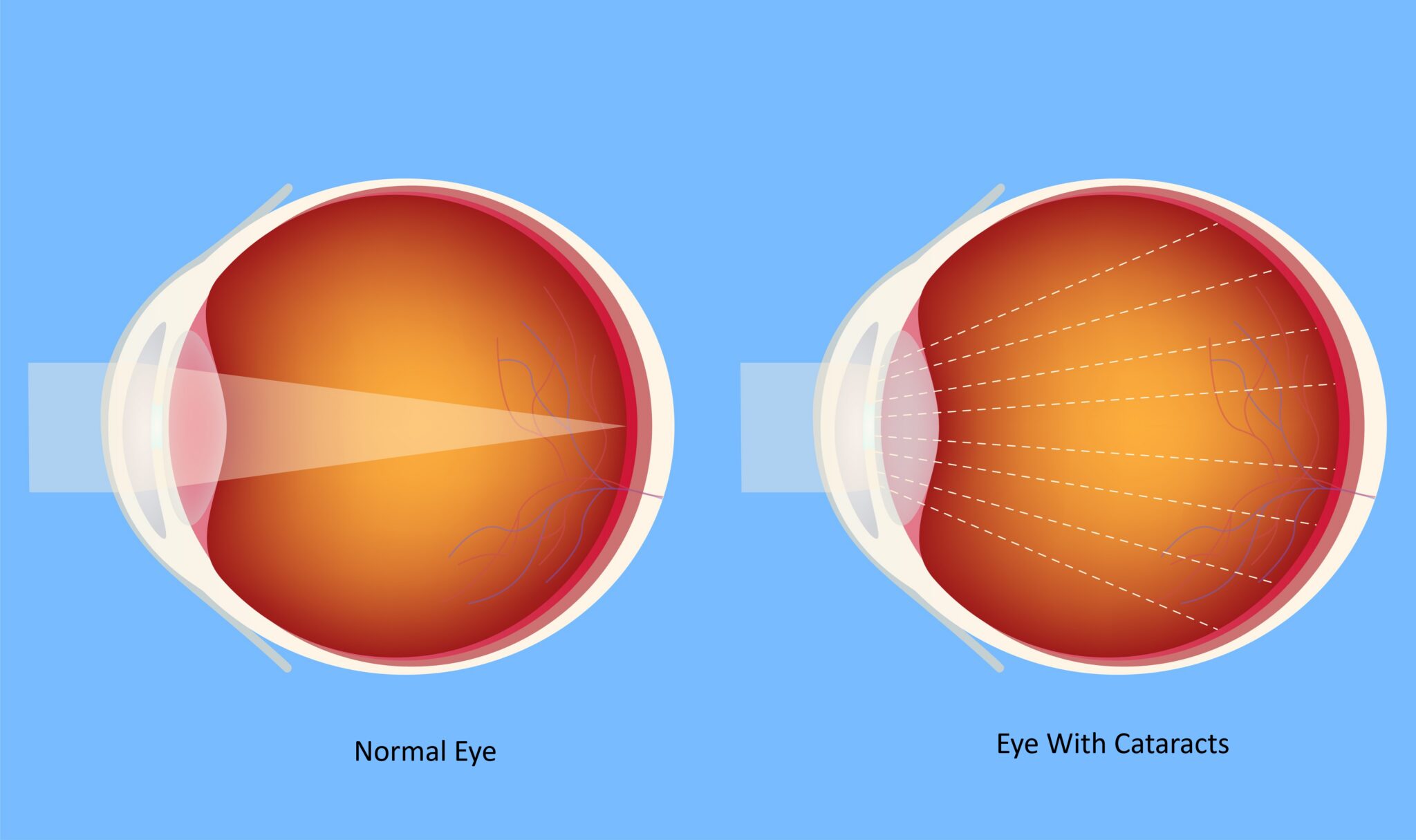
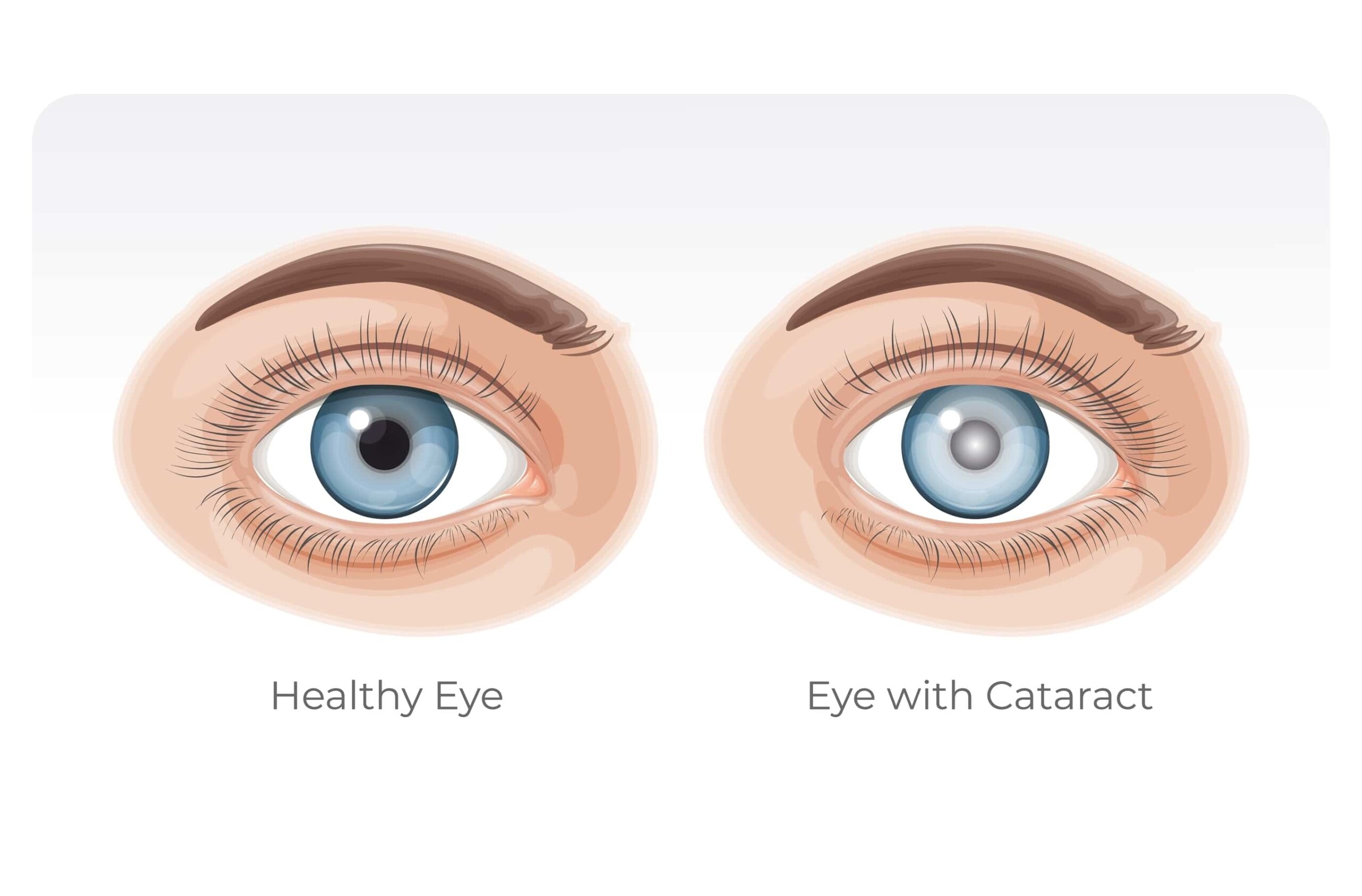
Cataracts develop when the natural lens inside your eye becomes cloudy over time. This is a normal part of aging, and most people over 60 will develop some degree of cataracts.
At first, symptoms are mild but they gradually worsen.
Early Signs You Might Notice
Many patients don’t realize their symptoms are from cataracts. Common early signs include:
- Blurry or “foggy” vision
- Glare or halos around lights
- Trouble driving at night
- Colors looking faded or yellow
- Frequent changes in glasses prescription
If this sounds familiar, you’re not alone. These are often the first indicators that cataracts are progressing.
When Do You Actually Need Cataract Surgery?
You don’t need surgery just because you have cataracts.
You need surgery when they start impacting your daily life.
Optometrists typically recommend surgery when your vision begins interfering with:
Driving (Especially at Night)
Glare, halos, and poor contrast can make night driving unsafe.
Reading and Close Work
If brighter light or stronger glasses no longer help, cataracts may be the cause.
Daily Independence
Difficulty recognizing faces, watching TV, or navigating safely at home are major signals.
A Simple Rule of Thumb
Ask yourself:
“Is my vision limiting how I live my life?”
If the answer is yes, it’s time to seriously consider surgery.
Why Waiting Too Long Can Be a Problem
- Increased fall risk
- Reduced quality of life
- Harder surgery in advanced cataracts
- Less predictable visual outcomes
Earlier treatment often leads to easier recovery and better results.
Is Cataract Surgery Safe?
- Takes about 10–15 minutes per eye
- Typically painless
- Fast recovery (often within days)
- High success rate
Most patients are surprised by how quick and comfortable the process is.
Can Glasses or Contacts Delay Surgery?
In early stages, updated glasses or contact lenses can help improve vision.
However, once cataracts progress:
- Vision changes become inconsistent
- Prescriptions stop helping
- Glare and visual symptoms continue
At that point, surgery is the only effective solution.
What Happens If You’re Not Ready Yet?
That’s completely okay.
- Monitor with regular eye exams
- Update prescriptions as needed
- Protect your eyes from UV exposure
Your eye doctor will help track progression over time.
The Bottom Line
You don’t need to rush into cataract surgery—but you also shouldn’t wait until your vision significantly impacts your safety or independence.
The right time for surgery is when your vision starts holding you back.
Not Sure Where You Stand?
The best way to know is with a comprehensive eye exam.
An Optometrist at Eye Department:
- Measure how cataracts are affecting your vision
- Determine if surgery will improve your quality of life
- Help you plan the right timing. Eye Department has a referral network of well regarded cataract surgeons across Portland, Oregon and SW Washington.
Ready to See Clearly Again?
If you’ve noticed worsening vision, glare, or difficulty with daily activities, it may be time to take the next step.
Schedule an eye exam today to get clear answers about your vision and whether cataract surgery is right for you.